
Stories from across the globe
This National Storytelling Week (2-8 February), Brooke sheds light on stories from animals and people around the world.
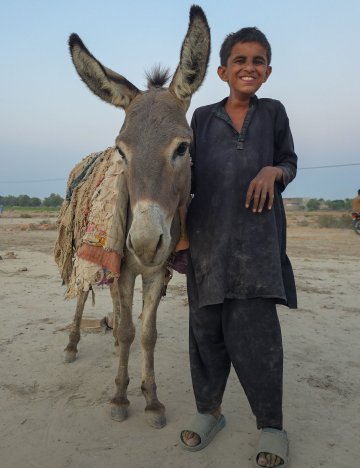
During the devastating floods in Pakistan during September and October 2025, a young boy called Gunga was left disabled and tragically lost his father. His mother and five sisters were safe, but they had lost everything.
Gunga brought the family’s only donkey to Brooke Pakistan’s emergency centre so he could be checked over, and they could collect animal supplies and food for his family.
Even in a time of crisis, Gunga was focused on ensuring his donkey was cared for, so in turn his donkey could support him.
Yacir, a horse owner from Nicaragua, is using social media to spread positive messages about animal welfare.
He creates videos and posts demonstrating best practices - such as providing green grass and enough water, grooming to maintain the health of horses, and remedies for common issues in the area, such as bat bites.
I try to teach people not to mistreat the equine because they are compassionate when treated well, showing that if you take good care of them, they’re going to respond well.
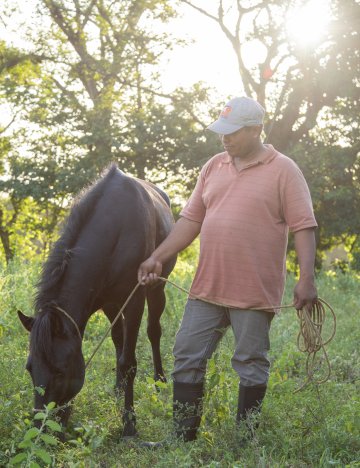
Having people like Yacir spread the word about the importance of good animal welfare is helping Brooke reach so many more people and animals than they could alone.
Communities trust their fellow members who understand the lives they live and who are already known and respected.
Yacir feels pride to pass on his knowledge, which makes him feel part of something bigger.
Limited access to knowledge about working animals means that donkey welfare is a common issue in Ethiopia.
Donkeys face various challenges including poor-fitting saddles, inadequate shelter, low-nutrient food, and general overloading and overworking.
In West Badawacho, community members are spreading awareness and understanding of animal welfare amongst owners - helping to improve harnessing, access to nutrition, and how to reduce donkey workload whilst boosting productivity.
The sun rises and never sets on donkey welfare. To ensure a sustainable and continual income, we must better care for the welfare of our donkeys.
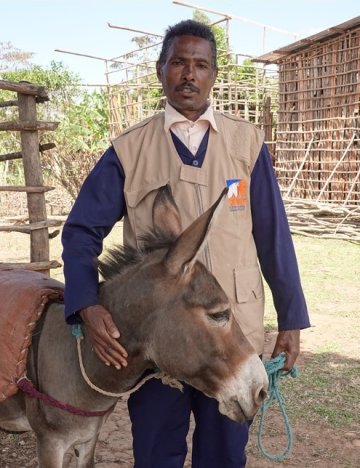
Ayele Dndamo is part of Brooke Ethiopia, who believes donkey welfare in the region is improving significantly. By simply helping people to gain knowledge and experience in donkey care, they now understand their behaviour, groom their donkeys regularly, provide good shelter and minimise overworking.
"They are the foundation of our livelihood, and we cannot do without them. This commitment to welfare of our donkeys will continue, even after Brooke”, said Ayele Dndamo .
In a fishing village in rural India, horses are helping to lighten the burden for women and girls.
A woman named Safura is an “Ashwasaki”, meaning “friend of equines”, helping educate her community on animal care, and how to clean hooves, groom and treat them through medicine.
Safura and other woman in the village look after horses who help collect fish from the sea and wood from a nearby forest. Hoof issues and skin irritation are issues for the horses when standing in salt water, so Brooke and Safura teach the community to rinse them in tap water and shampoo once a week.
We used to get worried just like a member of the family. Everyone was worried that he was suffering. When the horse fell sick, everyone fell sick.
Safura is an “Ashwasaki”, meaning “friend of equines”.
Brooke vet, Dr. Anita, visits the village regularly and described how other women have been inspired by Safura’s work, noting the condition of animals has dramatically improved.
Safira even holds one-to-one sessions with community members to help them understand how to look after their animals.
She describes her horses as like family members to her – if they are hurt, she is too.