
Brooke welcomes interception of 3,000 donkey skins in Kenya
64 donkeys were also intercepted, likely headed for slaughter.
More than 3,000 hides from donkeys were intercepted in Kenya this week, from animals who were illegally slaughtered for the skin trade.
The 3,721 hides, likely from donkeys killed in the bush, were intercepted en route to Mombasa, with those allegedly responsible appearing in Kitui courts yesterday.
Authorities also intercepted 64 donkeys being moved under conditions suggesting they were headed for slaughter.
Demand for ejiao, a remedy made from donkey skin used in cosmetics and supplements, has reduced China’s donkey population, leading to huge export industries in Africa.
We urge continued vigilance, stronger enforcement, and international collaboration to ensure this cruel trade is brought to an end for good.
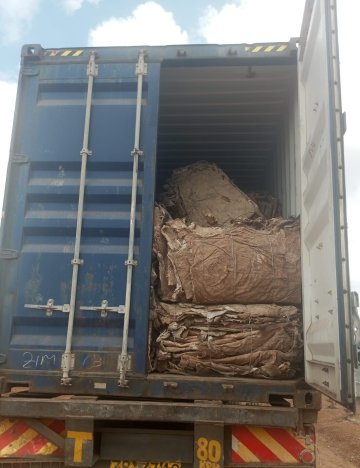
Chris Wainwright, CEO of Brooke, said: “While we welcome the swift action taken by Kenyan authorities in intercepting these hides and holding those responsible to account, this incident is a stark reminder that the illegal donkey skin trade continues to operate despite clear bans.
“Brooke’s research predicts that if a continent-wide ban on the trade isn’t enforced, Africa could lose half its donkeys by 2040.
"They are still being brutally killed, undermining both animal welfare and the livelihoods of communities that depend on them."
In February 2024, African Union member states agreed to a continent-wide moratorium on the trade in donkey hides, effectively banning the slaughter of donkeys for their skins.
Member states, including Kenya, are expected to implement the decision through national legislation - such as revoking licences for commercial slaughterhouses.
Brooke and the International Coalition of Working Equids (ICWE), a coalition supporting the welfare of working animals globally, is calling for urgent, united action to enforce the African Union ban, end the illegal donkey skin trade and safeguard the animals and communities at risk.