Policy and advocacy
Our team campaigns to change the lives of working animals and the communities that rely on them. See how our work is making an impact across the world.
Brooke advocates for working horses, donkey and mules to be included in policy agendas, promoting the importance of their health and welfare.
What we do
6 million animals helped through our policy and advocacy work
Our teams work across Africa, Asia and Latin America, as well as globally, with the United Nations and many other organisations. We highlight the crucial role working animals play in farming, food security, climate disaster resilience and their contributions to livelihoods.
Working in partnership with governments, civil society organisations, researchers and communities, we mobilise, lobby and learn from others to bring about long-term change.
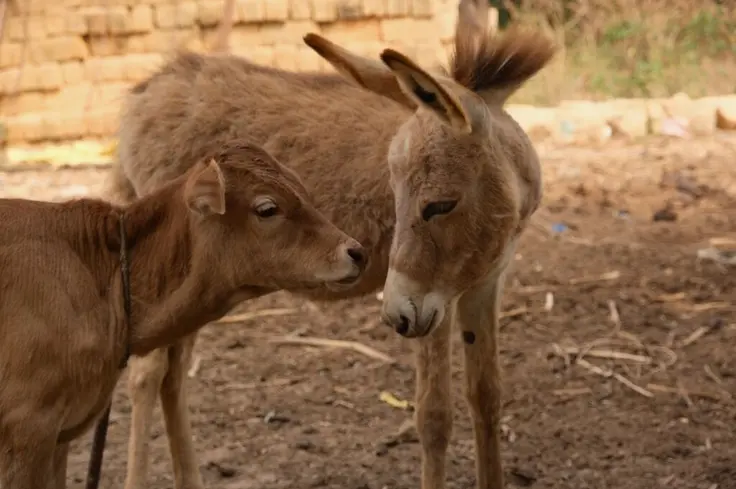
"Brooke takes a ‘One Health’ approach, recognising the critical links between humans, animals and the environment, and how these impact the health and welfare of us all. We focus our efforts where the need is greatest, using evidence to drive policy change and deliver lasting impact for working animals."
Our causes
Brick kilns and coal mines
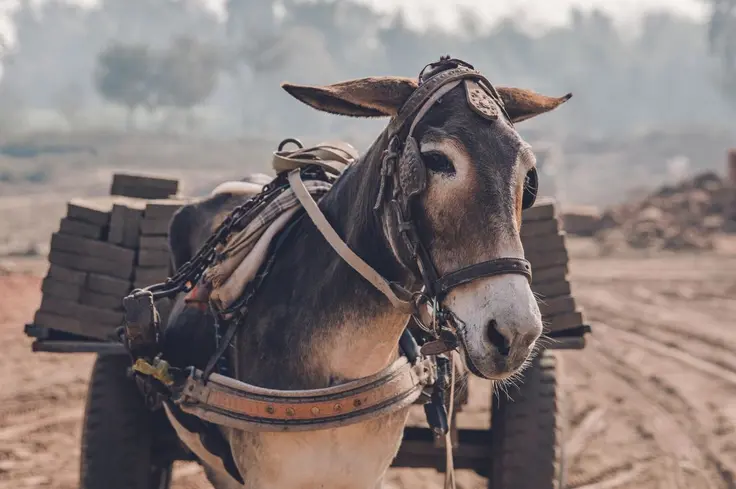
The traditional brick making industry in South Asia employs millions of people and hundreds of thousands of animals - mainly horses, donkeys and mules - all working in hazardous conditions. The industry receives little political attention and is not held to account. Our teams work to improve the lives of animals and people in brick kilns and coal mines.
Contribution of working animals to sustainable development
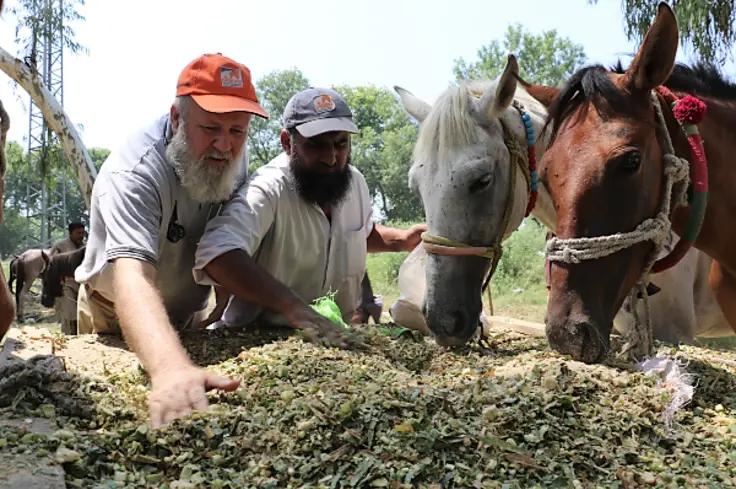
Working animals are essential to the livelihoods of millions of families around the world. They contribute by reducing poverty, supporting food security, easing access to water, lessening the burden of household work on women and children, and helping communities recover from climate-related disasters.
We are advocating for working animals to be included in UN Sustainable Development Goals (SDGs). Thanks to our advocacy, the UN has recognised working animals as vital assets in climate disasters and as important contributors to agriculture - two major successes!
Data on working animals
There are an estimated 116 million working equids (donkeys, horses and mules) globally, with 36 million in the 38 lowest-income countries. But accurate population data is lacking, making it hard to spot worrying trends and threats, such as illegal trades and diseases. We are advocating for better livestock population data that include working horses, donkeys and mules.
Donkey skin trade crisis
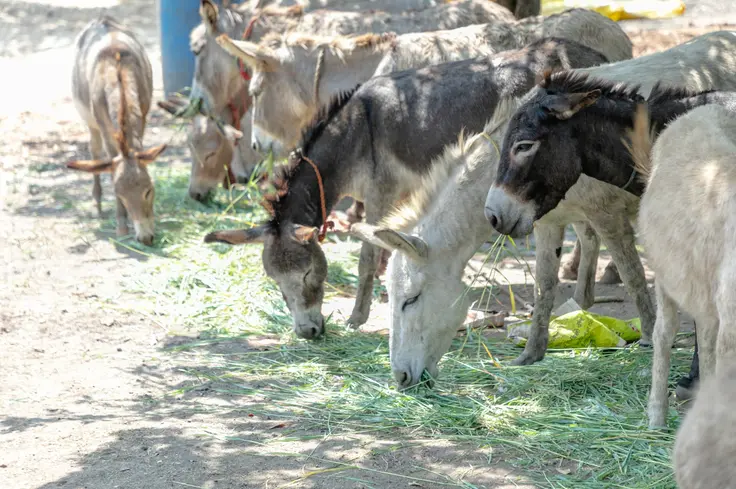
Demands from China for ejiao, a gelatin made from boiled donkey skins, is a global issue which has reached crisis levels in Africa, where thousands of donkeys are being stolen, smuggled and slaughtered to meet the demand for their skins.
With Africa’s donkey populations falling to critical levels, the trade is now moving to other parts of the world, including Pakistan and Latin America.
Brooke is working at local, national, regional and global level to stop the skin trade. We have successfully advocated for bans in a number of African countries, including Kenya, Senegal and Togo. In 2024 our advocacy efforts resulted in the African Union adopting a moratorium stopping the trade in donkey skins across the whole continent.
Strengthening animal health systems
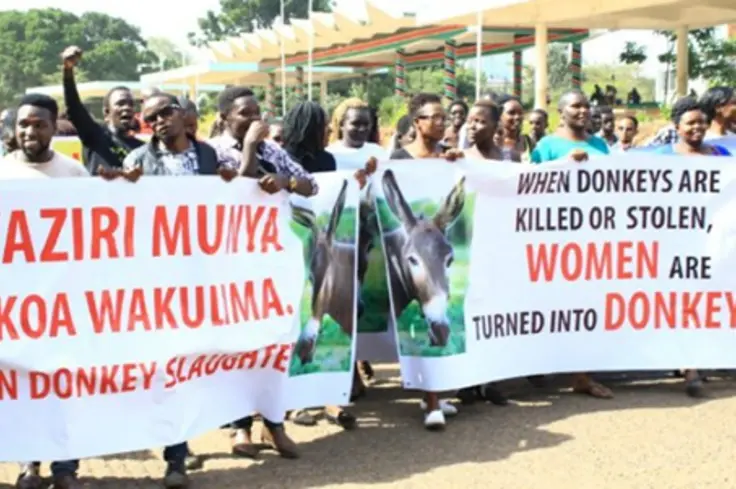
For animals to have good welfare, we need: skilled health workers, well-equipped laboratories, availability of medicines and vaccines and surveillance to detect disease outbreaks. This is what we call an animal health system.
At Brooke we're advocating for greater investment in animal health systems to keep animals healthy, as well as to prevent disease outbreaks, some of which have the potential to spill over and infect humans (known as zoonotic diseases).
Thanks to our advocacy with the Action for Animal Health coalition, the United Nations have recognised that animal health is crucial to stopping the spread of antimicrobial resistance. We also worked with the World Veterinary Association to develop the first ever list of essential medicines – something every vet should have access to.
Our work
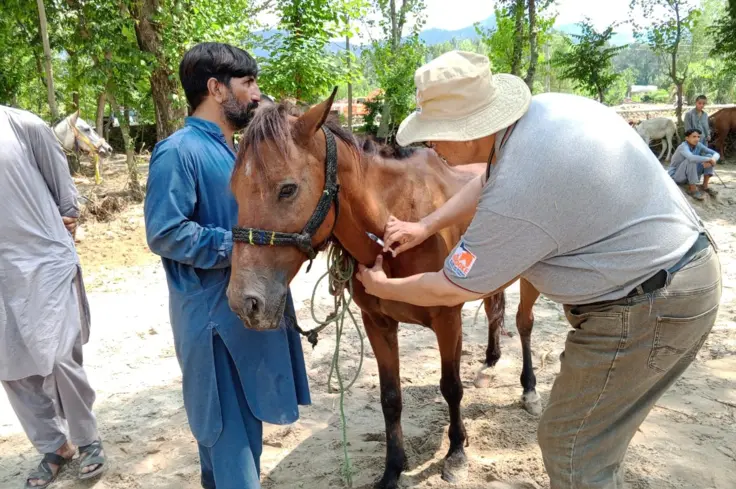
Find out more about who we work with and explore more of our policy and advocacy work through our reports and summaries.
Who we are
Meet the team
Brooke’s policy and advocacy team is made up of passionate advocacy, policy and campaigns experts from across the areas we work in. Here are just some of the team at key events around the world, as they speak up for working animals. We have a global team in London and advocacy experts across several country programmes.

Anna in action at a UN event
Anna Marry, Global Head of Policy and Advocacy, speaking at a side event of the UN High Level Political Forum on Sustainable Development in New York, on the role of working animals in disasters.
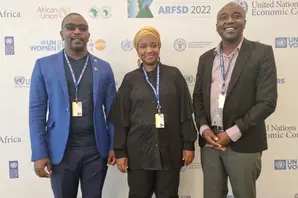
Raphael, Samuel and Rougui represent Brooke
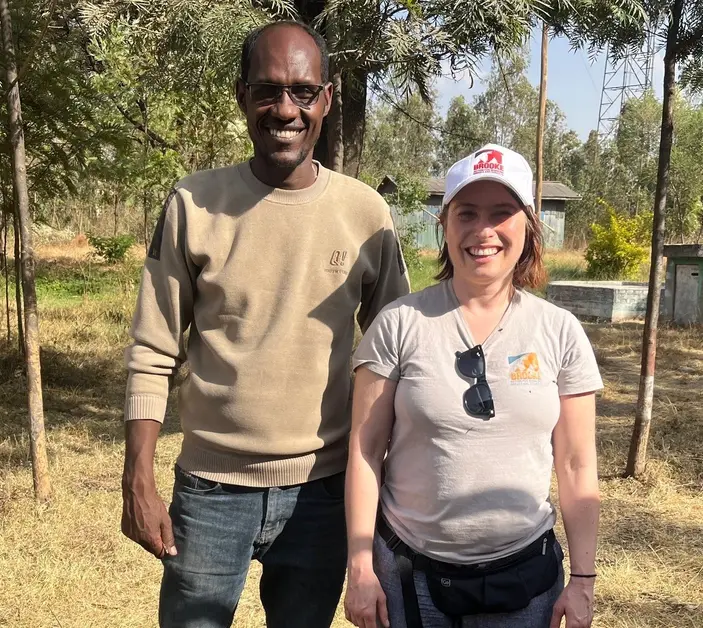
Brooke East Africa (Raphael and Samuel) and West Africa representatives (Rougui) at the African Regional Forum on Sustainable Development.
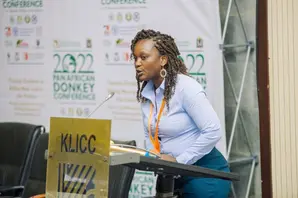
Laura Kavata takes to the podium for donkeys
Brooke's Global Community Development Advisor, Laura Kavata spoke at the Pan African Donkey Conference.
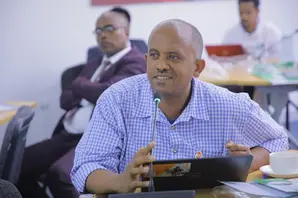
Tewodros advocates for working animals
Tewodros Tesfaye, Global External Affairs Advisor, at a workshop in Ethiopia for World Animal Day.
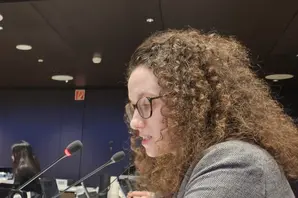
Ellie speaks up for animal health systems
Ellie Parravani made a case for greater investment in animal health systems to prevent pandemics at the WHO Pandemic Agreement negotiations in Geneva.
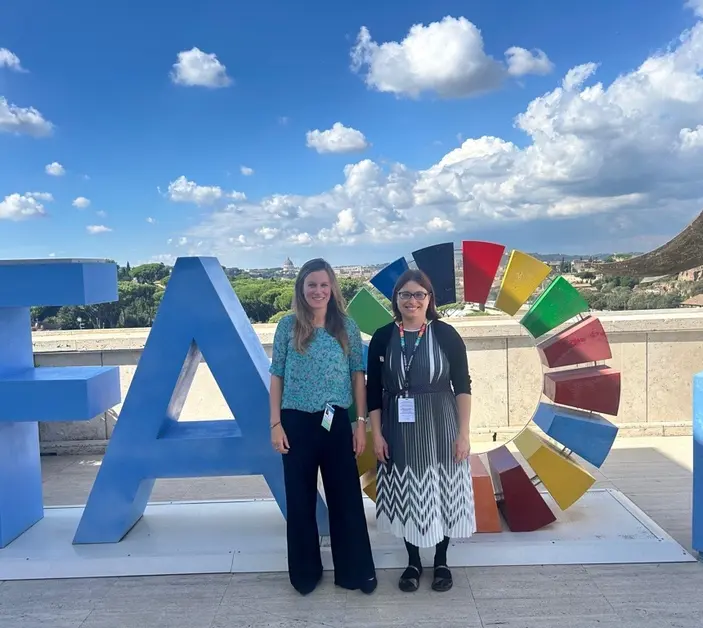
Dr Laura and Anna team up for transformation: Dr Laura Skippen, Brooke's Global Head of Animal Health and Welfare with Anna Marry, Global Head of Policy and Advocacy at the FAO Sustainable Livestock Transformation Conference 2025 in Rome.
How we support horses and donkeys
Explore more of our work - from research to health and welfare.