
Protect donkeys, end the skin trade
Over six million donkeys are killed for their skin every year. Help us stop the killing and end the skin trade.
One of the deadliest animal massacres of our time...
Right now, donkeys are being stolen and slaughtered for their skin.
Donkeys who should be safe are disappearing in the night. When traffickers take them, these poor animals suffer extreme physical and emotional trauma. Some are transported to their death in gruelling conditions. Others are skinned alive where they stand.
Cruelty like this cannot be ignored. We’re already fighting back against the donkey skin trade, but stopping it will take all of us.
Together, we can protect donkeys and end the skin trade.
Help us end the skin trade
What is the donkey skin trade?
Every year, over six million donkeys are killed for their skins. This brutal trade is driven by global demand for ejiao, a gelatine made from donkey hides and used in cosmetics, traditional remedies and even everyday foods.
As well as the horrific impact on donkeys, it's causing communities to lose their livelihoods.
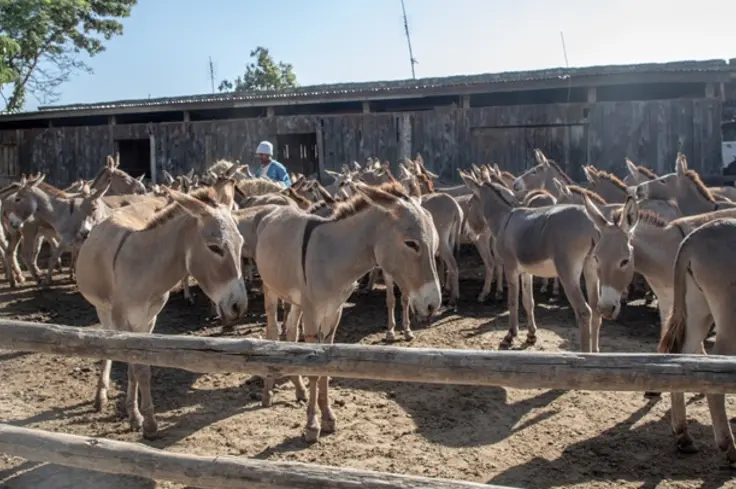
Across Africa and Asia, these loyal, hardworking donkeys are a lifeline for the families who depend on them. But this cruel trade continues to grow, devastating communities and pushing donkey populations towards collapse.
Watch our video
Every six seconds, another donkey is killed
Protect donkeys
How we're fighting back
We’re working alongside communities to protect donkeys, expose the trade, and shut it down. With your support, our kindness can reach further, and together, we can end the donkey skin trade for good.
Keeping donkeys safe
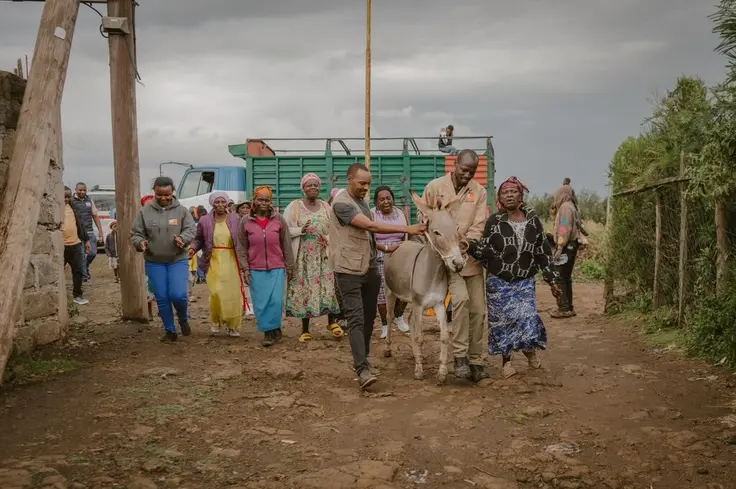
We work with communities to stop donkeys being stolen. By partnering with enforcement agencies to track illegal movement across borders, we’re able to stop traffickers early.
We also work with owners to protect their animals and build safe shelters, so donkeys are kept secure and out of reach of poachers.
Tackling traffickers
We work with authorities who investigate and prosecute traffickers, helping to shut down the illegal networks driving this trade. By strengthening enforcement and coordination, we make it harder for these groups to operate and riskier to profit from the suffering of donkeys.
Emergency care for donkeys
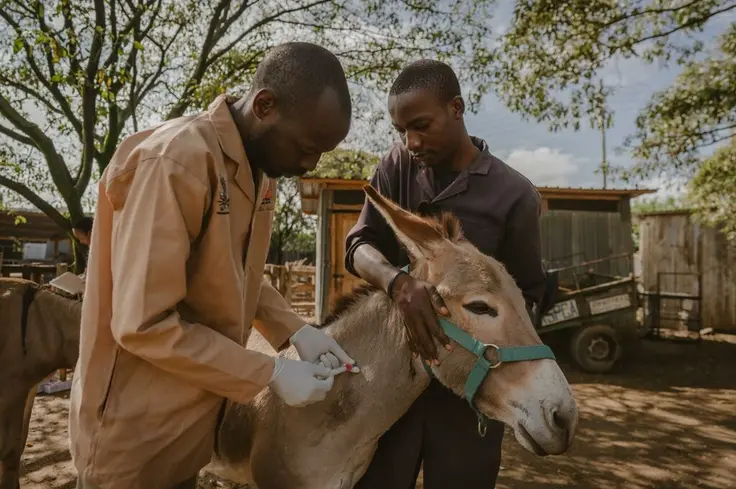
We work with partners providing urgent care for donkeys rescued from the skin trade. Delivering veterinary treatment, food and shelter, helping animals recover from serious trauma and injury. Donkeys are microchipped for protection and wherever possible, rehomed, giving them the chance of safer, more enriching futures.
Make a difference for donkeys
How you can help protect donkeys now
Real lives
Beth's donkey was stolen and slaughtered
Beth is a farmer and mother of five from Nyandarua County, Kenya. Her donkey was her lifeline – carrying water, transporting feed and connecting her to farmland miles away. It kept her farm running and her family fed.
One evening, Beth tied the donkey close to her home. By morning, they were gone. Just a short distance away, Beth found her donkey slaughtered and skinned, a gentle animal, stolen and killed in an act of shocking cruelty.
The impact was immediate. Without her donkey, Beth’s income disappeared. She now walks long distances carrying heavy loads and has been forced to sell her cows. Years of hard work, undone in a single night.
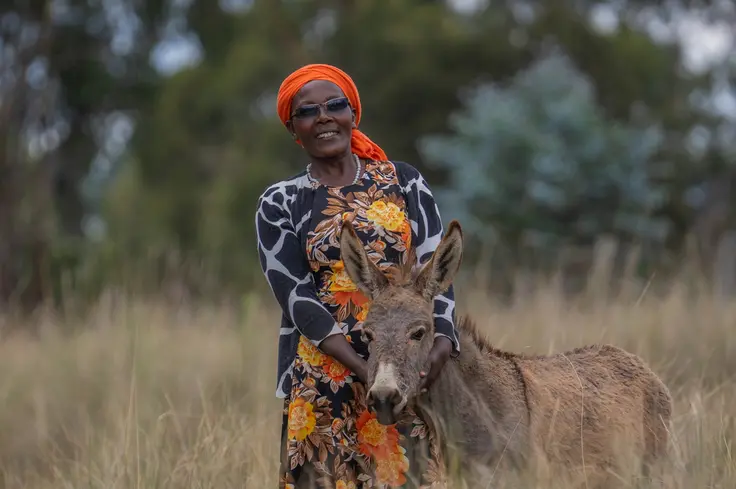
“When my donkey was stolen I felt helpless…like someone had cut off my hands.”
Learn more about the donkey skin trade
More information about the skin trade
Support our work
Right now, donkeys are being stolen and slaughtered for their skin. With your help, we can stop it. Your monthly gift will directly help protect vulnerable donkeys, support the people who depend on them, and end this brutal trade for good.

How your monthly gift will protect donkeys
Real progress is being made to end the donkey skin trade. We’ve secured bans across Africa, protecting over 32 million donkeys. But millions more are still at risk. Your regular gift can help us reach them directly, preventing theft, supporting communities and stopping this brutal trade.