Animal welfare at Brooke
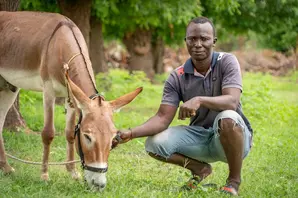
At Brooke, animal welfare is about giving working horses, donkeys and mules a good quality of life – both every day and over their entire lives – by meeting their emotional, behavioural and physical needs.
Animals can be alive and productive, yet still suffer — animal welfare ensures their lives are lived with care, comfort, and respect.
Key information
What is animal welfare?
In short, animal welfare describes how an animal feels overall in the life they are living.
Animal welfare focuses on an animal’s wellbeing, considering both physical and mental states.
It concerns how an animal feels, which is shaped by:
- the quality of their care
- opportunities for good quality rest
- the standard of their working conditions, where relevant
- opportunities for voluntary and meaningful interactions with other animals, people and their surrounding environment.
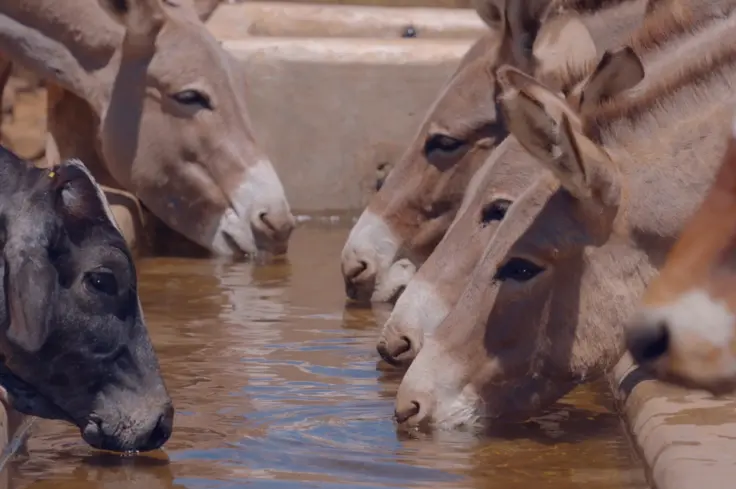
Working horses, donkeys and mules are thinking, feeling beings whose welfare should be understood and regarded as a primary concern. With proper support, anyone can contribute to better animal welfare - whether at home, during rest, or, in the case of working animals, while they are on the job.
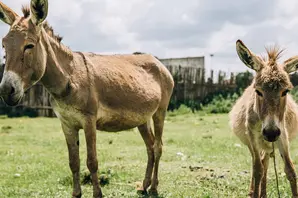
"Freedom to wander, friends by their side, and the joy of foraging — donkeys, horses and mules remind us that true animal welfare begins with seeing, understanding and fulfilling their unique needs."
Learn more
What are animal welfare needs?
Animal welfare needs cover all the key factors that contribute to an animal’s overall health and happiness:
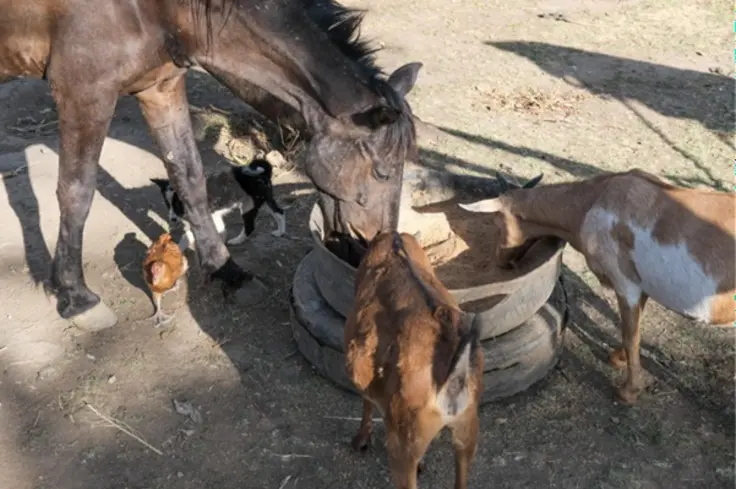
- Nutritional needs: animals require a reliable supply of suitable food and clean water every day to maintain their wellbeing
- Environmental needs: animals should have safe, comfortable, and appropriate places to live, work, and rest, with environments that actively support their wellbeing
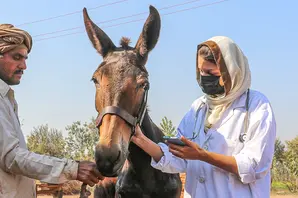
- Health-related needs: good welfare means animals are healthy and safeguarded from illness, injury, pain and discomfort through both preventive and responsive care
- Need for positive interactions and behavioural expression: animals must be able to express a range of natural behaviours and enjoy safe, enriching interactions with other animals, people, and their surroundings
- Mental wellbeing: support for emotional and mental health is essential, ensuring positive experiences and minimising distress or suffering.
Brooke's approach
How we assess animal welfare
An animal’s welfare is determined by how they feel.
Therefore, the most reliable way to determine whether an animal’s needs are truly being met is by ‘asking’ the animal themselves.
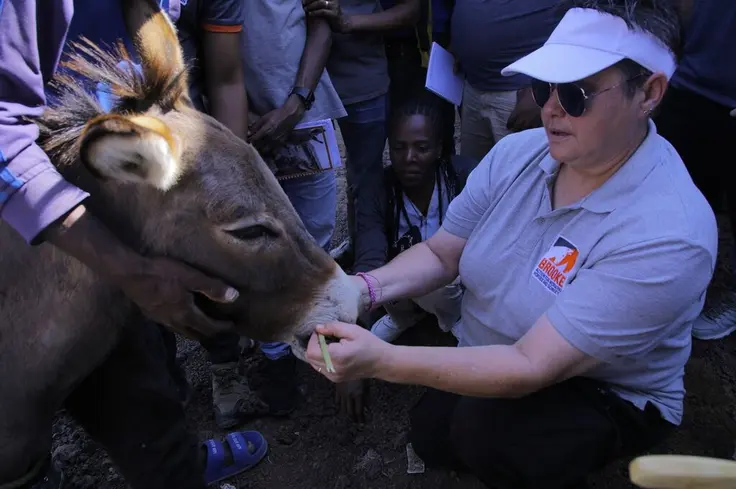
We do this by observing and recording the animal’s appearance, behaviour and reactions – allowing us to make an interpretation based on their signals.
To understand what shapes the wellbeing of animals, we engage directly with their communities, observe human behaviours and gain insights into the everyday challenges they face in maintaining their livelihoods.
We also assess the environments in which animals live and the resources and services available.
More information
Learn more about animal welfare and health
Find out more about how Brooke improves animal welfare and health - and how we work with communities to give every horse, donkey and mule a life worth living.

Animal health at Brooke
Find out how we’re strengthening animal health systems to create sustainable change for working animals and the people who rely on them.