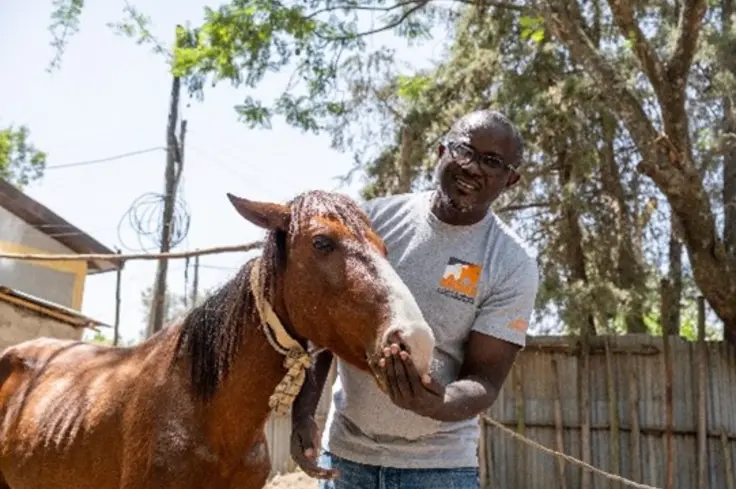
Our causes
Explore some of the biggest challenges facing working donkeys, horses and mules and the communities that rely on them.
Challenges facing working animals
Brooke improves the lives of working donkeys, horses and mules across the world. We focus on areas where we can make the biggest impact on their health and welfare and on the livelihoods of the communities they support.
From the dangers of the donkey skin trade to the difficult conditions facing animals working in brick kilns and coal mines, Brooke is tackling some of the toughest issues for working animals.
Find out more about some of the causes we campaign on below:
- The donkey skin trade
- Animals working in brick kilns and coal mines
- Animal tourism
- Animals working in communities
- Strengthening animal health systems.
Donkey skin trade
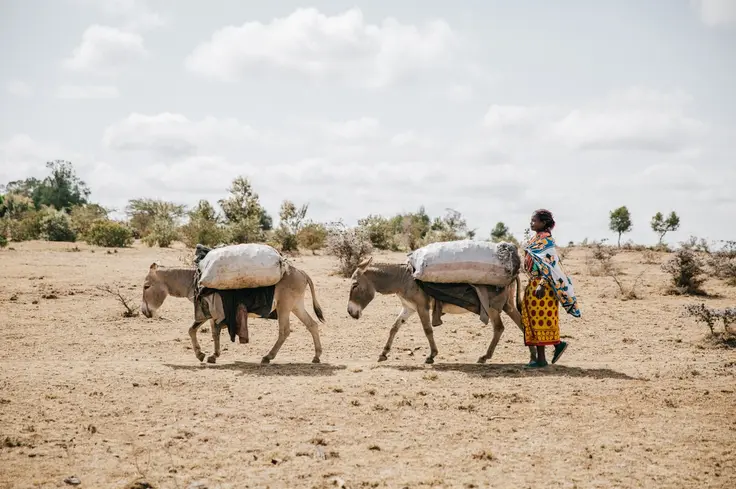
Every year, over six million donkeys are killed for their skins.
The trade of donkey skin is having a huge impact on both animal welfare and the livelihoods of families and communities. After donkeys are stolen or sold for their skins, they are often subjected to extreme cruelty, including transportation in cramped and dangerous vehicles, starvation, neglect and inhumane slaughter.
Brooke has worked hard to secure an Africa-wide ban, protecting up to 32 million donkeys. But it’s not enough.
We're calling for a worldwide ban on this cruel trade.
Animals working in brick kilns and coal mines
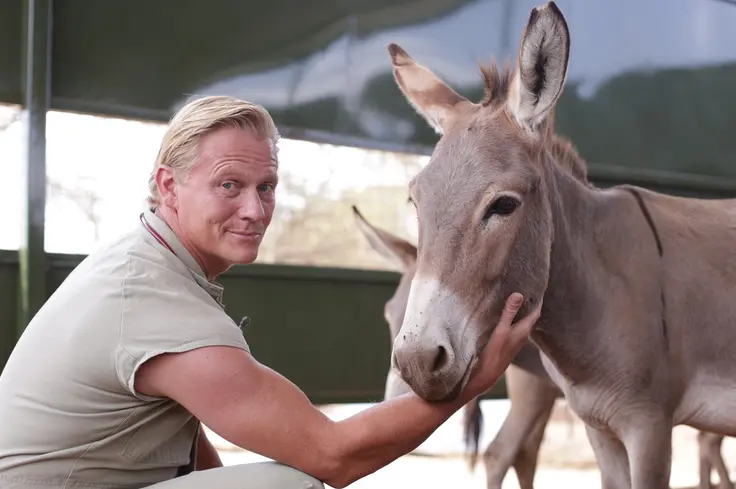
Donkeys, horses and mules work in brick kilns – brick making factories - in India, Nepal, Afghanistan and Pakistan. It's a hidden industry, often unorganised and unregulated and animals and humans endure harsh working conditions.
Around the world, coal is still being mined by hand. Thousands of donkeys make millions of trips into narrow, dark tunnels to bring coal to the surface. They suffer falls, fractures and exhaustion, they breathe polluted air, carrying heavy loads in extreme heat.
Our teams work to improve the lives of animals and people in brick kilns and coal mines.
For example, we identified 3,000 brick kilns in Pakistan where our work will have the biggest impact on the welfare of working donkeys, horses and mules. The Brick Kiln Project delivered significant and measurable improvements in the welfare of working animals and brick kiln communities.
The project improved access to clean water, shade, rest, and first aid. Owner attitudes and handling practices improved markedly, supported by trained animal health providers, strong community groups, and targeted engagement with women and children.
Animals in tourism
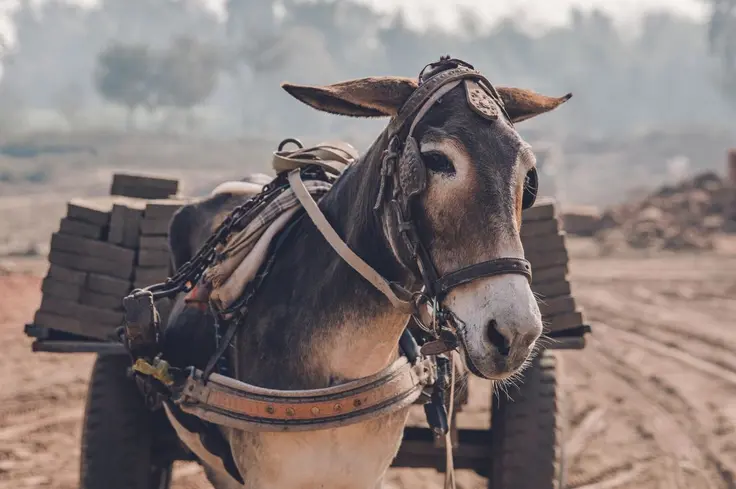
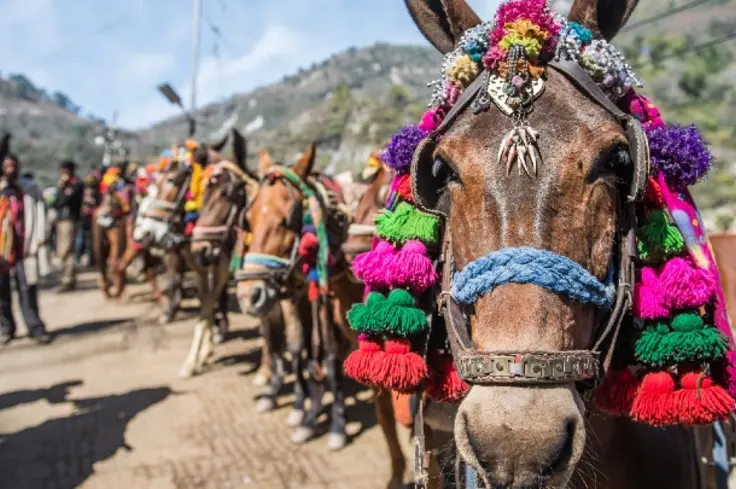
Horses, donkeys and mules working within the tourism industry can travel long distances, often in challenging climates and terrain. As they pull or carry people and luggage, their welfare can be overlooked.
Enjoying your holiday does not have to be at a cost to animal welfare. There's a growing movement to protect the welfare of animals used in tourism.
Brooke contributed to the ABTA travel association's codes of conduct to improve animal welfare standards in the tourism industry. Brooke has also given training to help tour operators prioritise the welfare of horses, donkeys and mules used in expeditions.
Animals working in communities
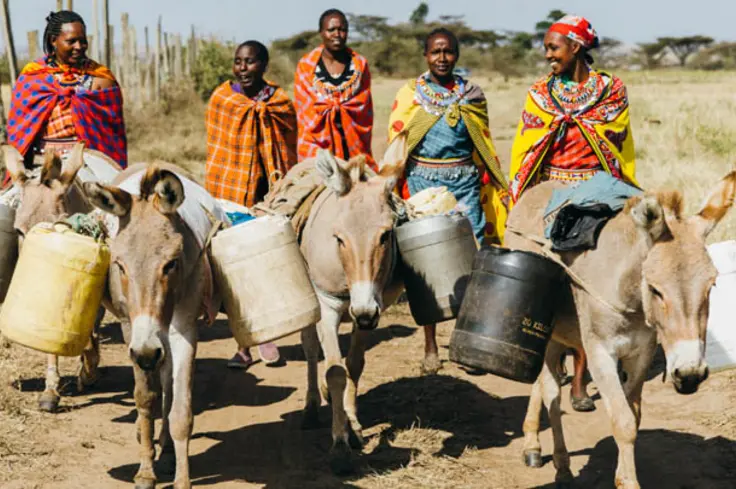
Working donkeys, horses and mules play a huge part in the communities they live in.
These working animals are used for both commercial and domestic work , providing a critical support system to the households that rely on them.
One way they support people and communities is by generating money – both directly and indirectly.
However, an incomplete understanding of their role means that working donkeys, horses and mules remain neglected or ignored in relevant global, regional and national decisions.
Our research led to recommendations including:
- Working donkeys, horses and mules should be explicitly included in ‘livestock’ policy and programmes
- Working donkeys, horses and mules should be more visible in data collection and research, including being counted in ‘livestock’ censuses
- Governments should invest in access to animal health services, enabling livestock keepers to ensure animal welfare
- Ban damaging trades that impact livelihoods and animal welfare such as the donkey skin trade.
Strengthening animal health systems
An animal health system is the organisation of people, institutions and resources that deliver healthcare services to animals and the communities they are part of.
We use a range of initiatives to improve animal health and animal health systems, working in close partnership with local, regional and global communities.
We support the healthcare systems that already exist by:
- Mentoring animal healthcare providers.
- Ensuring access to good quality affordable medicines and vaccines
- Supporting improved disease surveillance and diagnosis
- Advocating for more investment in animal healthcare
- Working with our community partners to help people demand better for their animals.