Animal health at Brooke
Find out how we’re strengthening animal health systems to create sustainable change for working animals and the people who rely on them.
"At Brooke, we believe all animals have the right to access good quality healthcare, including preventative healthcare such as vaccinations. Prevention is better than cure. This is why we work with healthcare providers who are based in the communities where animals live and work."

Key question
What is an animal health system?
An animal health system is the organisation of people, institutions and resources that deliver healthcare services to animals and the communities they are part of.
A strong health system includes:
- Well trained and compassionate animal health staff – the vets, veterinary paraprofessionals (animal health workers) and medicine sellers
- Access to good quality essential medicines and vaccines
- Ability to monitor, diagnose and report diseases to support public health
- Effective laws to govern animal health and welfare and those who are responsible for it
- Sufficient and sustainable funding for health services.
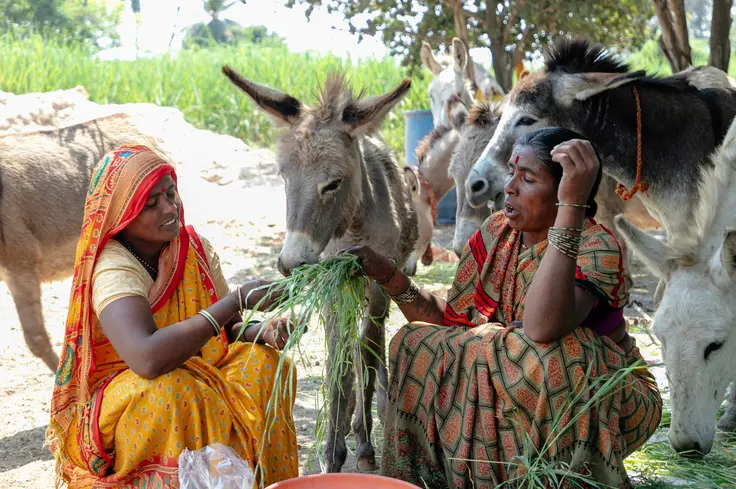
The animals we work with often struggle to access basic healthcare. Many countries don’t have enough vets and those vets are often based mainly in cities or are very costly. Compared to human health, animal health systems receive much less investment and attention. We also have much less information about animal health services, which makes it even more challenging to address health issues.
Working to relieve immediate suffering will always be important to us. But we want to ensure that we change whole systems for the better to improve the lives of future generations of animals - that’s why we work to strengthen entire animal health systems in the countries where we operate.
What we do
How we're improving animal health
We use a range of initiatives to improve animal health and animal health systems, working in close partnership with local, regional and global communities.
We support the healthcare systems that already exist by:
- Mentoring animal healthcare providers
- Ensuring access to good quality affordable medicines and vaccines
- Supporting improved disease surveillance and diagnosis
- Advocating for more investment in animal healthcare
- Working with our community partners to help people demand better for their animals.
Our work
Animal health projects
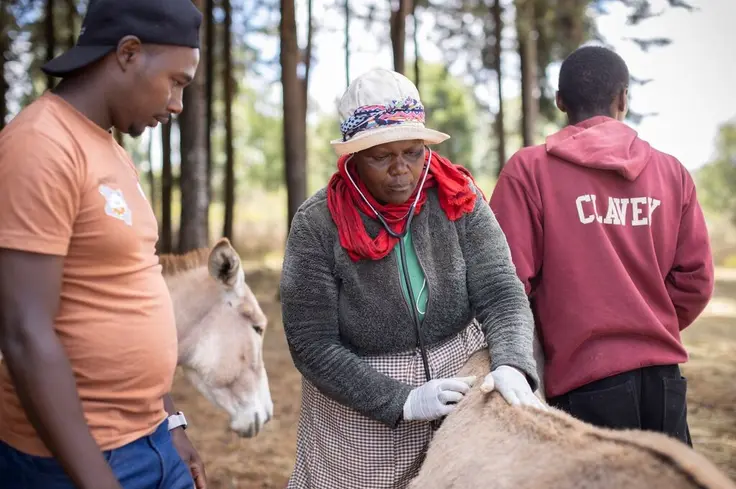
- Brooke’s Animal Health Mentoring Framework (AHMF) helps train professionals , including vets, in the field. It includes a list of essential skills needed to provide good quality animal health services
- Improving standards of animal health education by working with veterinary training institutions and setting up clinical skills laboratories
- Brooke, in partnership with the World Veterinary Association (WVA), also launched the first-ever global list of essential veterinary medicines
- This list will help vets get access to safe and effective medicines, help fight the global threat of Antimicrobial Resistance (AMR) and support plans to prevent future pandemics
- We are also working on the Global Burden of Animal Diseases programme with around 90 other international organisations and universities.
Learn about animal health and welfare
Find out about Brooke's work to improve global animal health - from education, mentoring and medicines to farriery and much more...