8 October 2026
How working horses and donkeys support communities during disasters in Senegal
Brooke and University College London are researching the role working horses and donkeys play before, during and after disasters, and the impact this can have on their welfare.
A global research project
Brooke is delivering - in partnership with University College London - a three-year global research programme. The programme will help us to better understand the role working horses and donkeys play before, during and after floods and droughts, and how these changing conditions affect their welfare.
“Our ambitious global research programme uses collaborative workshops to understand the lived experiences of people and animals in disaster-prone settings. The evidence we found is helping to address a critical knowledge gap and strengthen Brooke's work.”
Learnings from Senegal
Senegal was the first country where data was collected. Here is a snapshot of what we learned:
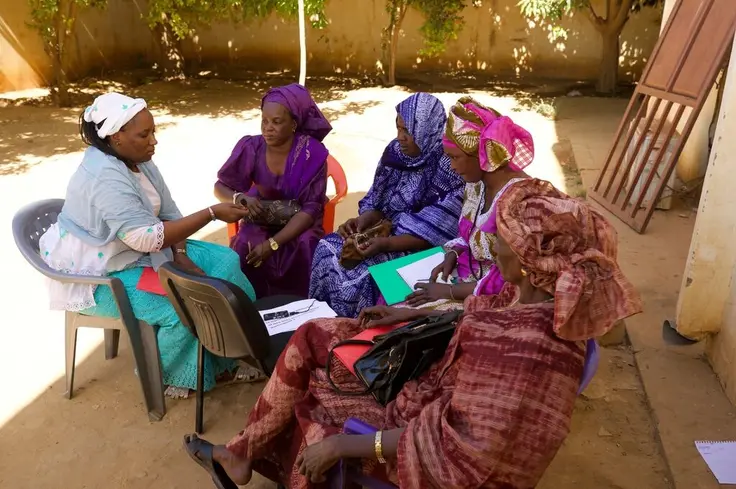
- Our research team worked with two communities in Senegal, bringing together community members and local partners through collaborative workshops.
- Participants explored how the roles of working horses, donkeys and community members change during floods and droughts, the impacts of losing horses and donkeys, and the support needed to protect both animal welfare and community wellbeing during times of crisis.
What we found
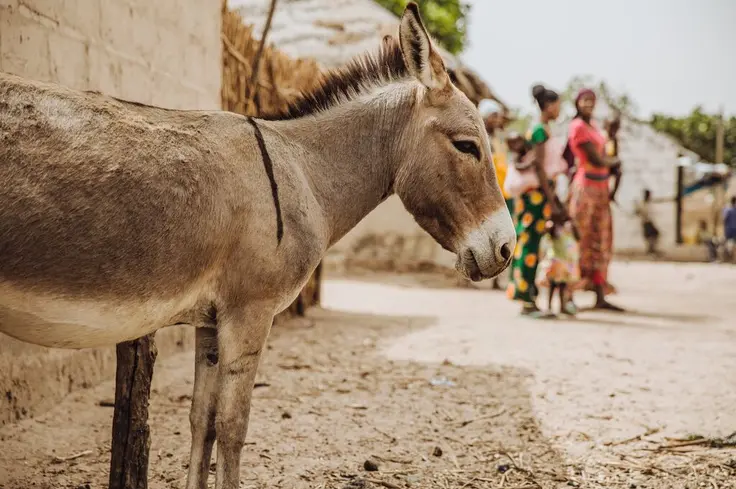
Communities consistently identified horses and donkeys as essential to daily life. Working animals support transport, farming, access to water, livelihoods and a wide range of household tasks.
The findings highlight the close connection between the wellbeing of people and the wellbeing of animals. When droughts and floods affect horse and donkey welfare, household livelihoods and the community’s ability to cope were also weakened.
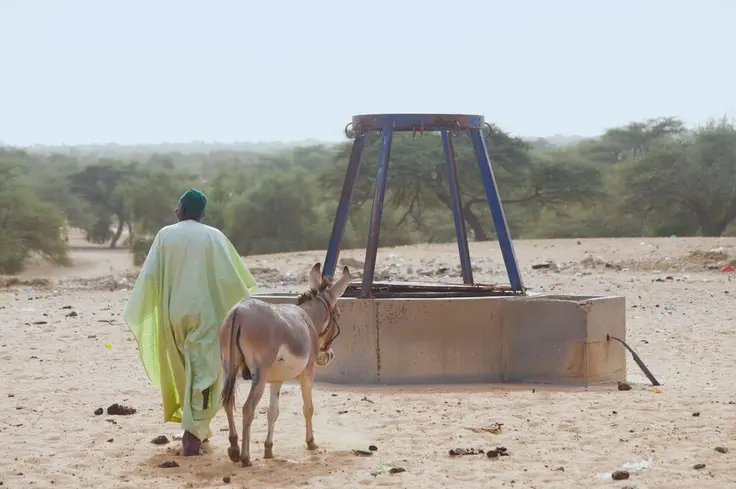
During periods of drought, communities reported shortages of water and fodder (foods like hay and straw), leading to declining animal health and increased pressure on household resources.
In flood-affected areas, horses and donkeys became critical, supporting transportation, evacuation efforts and recovery activities. However, these increased demands often came with heavier workloads and greater welfare challenges for the animals.
Women were identified as being particularly affected by disruptions to animal welfare, given their reliance on donkeys for domestic chores, water collection and ways to make a living.
“During floods, horses and donkeys help us bring in sand to build channels to block the water. They're also very useful during the rainy season. They allow us to transport the belongings of those affected by disasters when they move.”
“I've experienced a situation where I had just one male horse; he died during the rainy season. As for me, my horse fell that night; it was like losing my own child because I loved him deeply.”
These findings highlight the importance of integrating working animals into disaster risk management and work to strengthen communities' resilience. They also recognise the essential contribution horses and donkeys make to the capacity of communities to anticipate, withstand and recover from disasters.
What's next?
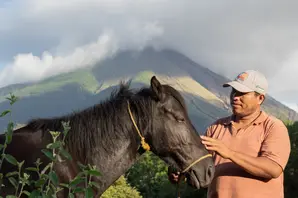
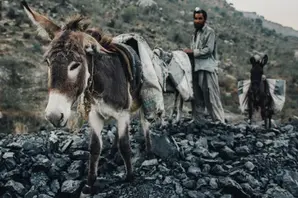
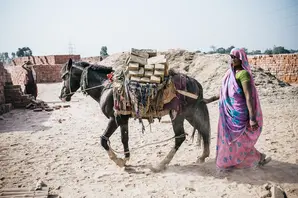
Data has now also been collected in Pakistan and Kenya, with plans to do the same in Ethiopia and Nicaragua. Over the coming months, findings will be shared through a range of formats, including videos, case studies and infographics.
The information gathered through this programme will support advocacy efforts aimed at ensuring working animals are recognised within disaster preparedness planning and policies. It will also help us plan future projects, so our work meets the real challenges faced by both communities and the animals they depend upon.
“Research of this kind helps Brooke West Africa design programmes that respond to real needs, strengthen preparedness and support practical, locally led solutions. It also provides evidence for engaging government, partners and communities so that working animals are recognised within disaster risk management and climate resilience efforts.”
Explore our work
Find out more about our research into the experiences and welfare of working horses, donkeys and mules, and the communities who depend on them.