The role and welfare of working animals in disasters
Working horses, donkeys and mules are essential to community resilience. Learn how they help people prepare for disasters, respond to emergencies, and rebuild afterwards, while facing their own welfare challenges along the way.
What happens to working animals during disasters?
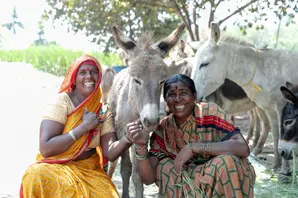
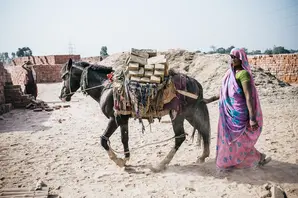
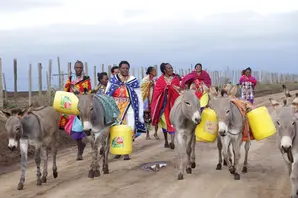
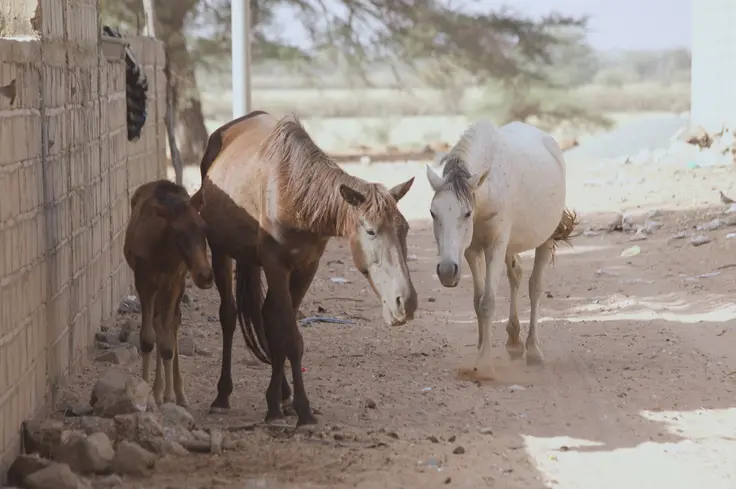
Many communities depend on working horses, donkeys and mules to support their livelihoods. For example, to fetch water, transport people and carry goods and produce to market. When disasters happen, these essential animals are often placed under extreme pressure, threatening the wellbeing of the animals and the families who rely on them.
Disaster planning must actively include and protect these animals, because safeguarding working horses, donkeys and mules is essential to protecting livelihoods, speeding up recovery and reducing long-term vulnerability.
Our research project
In partnership with Professor Ilan Kelman, University College London, Brooke is leading a three-year research programme. We will investigate the role of working donkeys, horses and mules in disasters and the impact that emergencies have on animal health and welfare across Ethiopia, Kenya, Nicaragua, Pakistan and Senegal.
The findings will inform our advocacy and community development work, ensuring animals are included in future policies and resilience strategies.
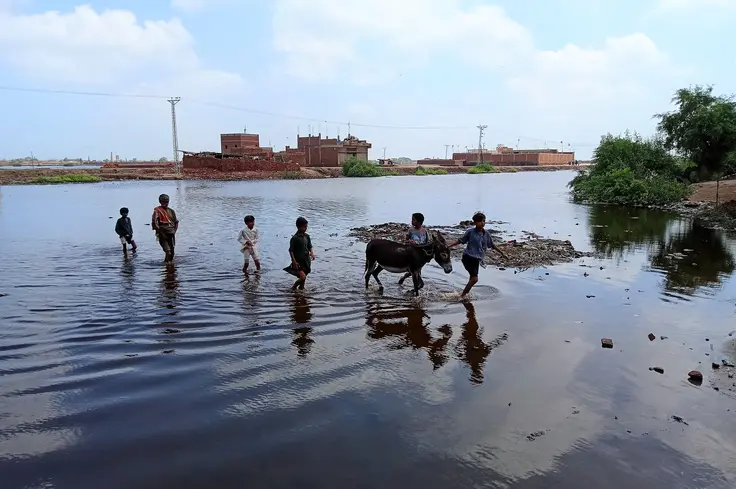
"Our lives depend on horses and donkeys in this area. When you lose a horse or donkey, it means you’ve lost everything because we can’t graze, farm, trade, go to hospital without a horse or donkey".
Explore the evidence: Download our 2026 Senegal report on working animals and disaster resilience, available in English and French.
Working in partnership
As a global team, we’ve focused on identifying evidence needs through co-production workshops and building strong collaborations with universities, local organisations and communities.
In partnership with University College London, the University of Edinburgh, community partners, and staff across our country offices, we are conducting research that is rooted in communities, relevant to local realities, and designed to drive tangible impact.
Our research programme
Our research programme runs until 2027 and is currently collecting and analysing data in Ethiopia, Kenya, Nicaragua, Pakistan and Senegal. Working closely with communities, we are exploring how horses, donkeys and mules help people prepare for, cope with and recover from droughts, floods and other disasters, while also examining the welfare challenges these animals face.
Throughout the programme, we will work with communities and partners to co-produce outputs that share evidence, inform policy and practice, and support positive change.
Explore our work

Our research
Research is vital to everything Brooke does. It helps us understand the real challenges faced by working horses, donkeys and mules, as well as the communities who depend on them for their livelihoods.