21 September 2026
Animal health workers will be the first to spot the next pandemic
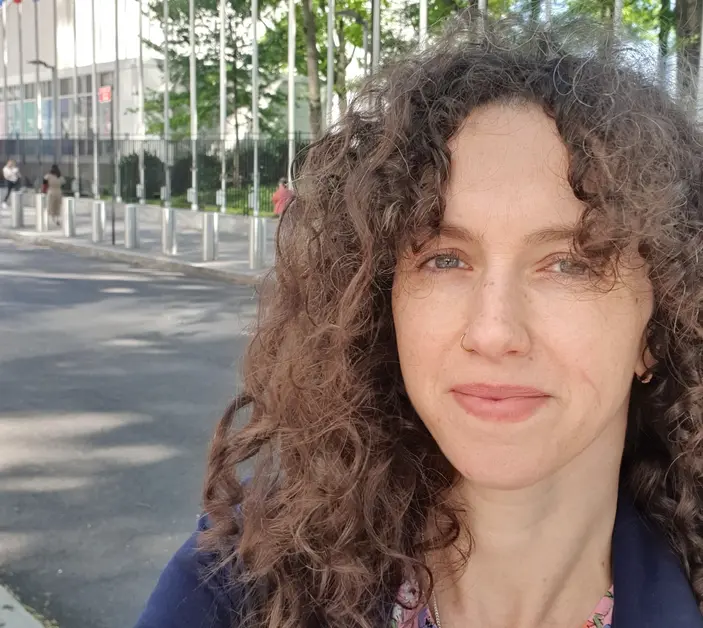
Ellie Parravani, Brooke’s Global Policy and Advocacy Advisor, explains why governments around the world must recognise the importance of animal health and animal health workers, when planning for future pandemics.
The threat of future pandemics
COVID-19 may seem like a distant memory, but the threat of another pandemic still lurks. Hantavirus, Ebola and Avian Influenza are all reminders that this threat is very likely to come from animals.
On 25 September, world leaders at the United Nations will get together to agree how best to prevent and prepare for possible future pandemics. I have been there since the beginning to make the case for why securing the health and welfare of animals is vital to the discussion.
My colleagues here at Brooke – and the members of our Action for Animal Health coalition – see first-hand the gaps in animal health systems that put us all at risk of zoonotic disease outbreaks (diseases that spread from animals to people).
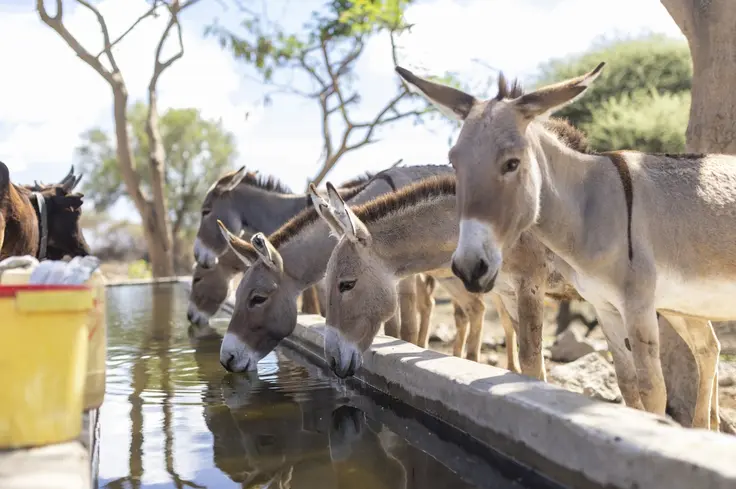
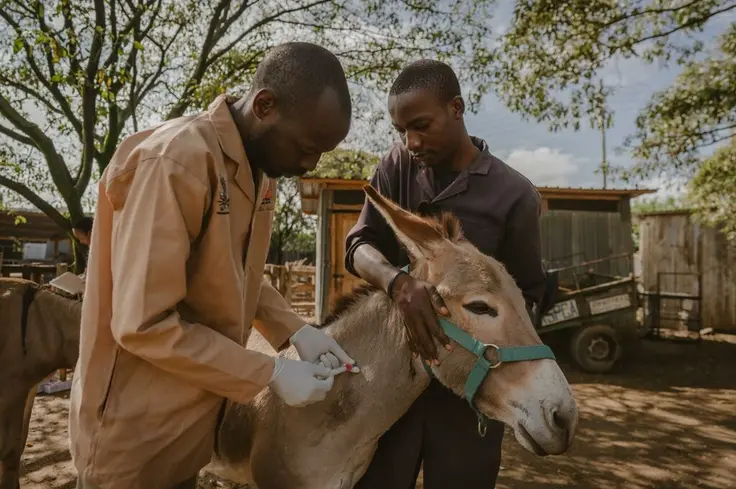
"Many countries don’t have enough vets or other animal health practitioners, such as vet nurses, assistants and community animal health workers, to meet the health and welfare needs of local animal populations."
Strengthening animal health systems
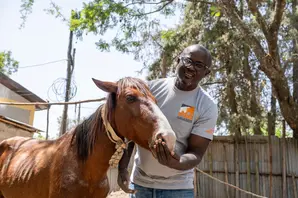
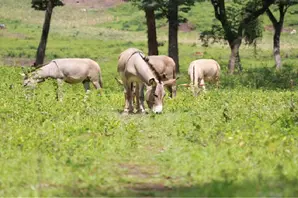
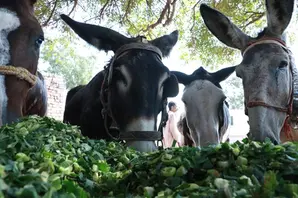
That’s why Brooke works to strengthen entire animal health systems, so that working horses, donkeys and mules - and their fellow animals - can access basic care now and into the future.
"Animal health workers are on the frontline of preventing and treating infectious diseases before they spill over to people. They will be the very first people in a community to see when there’s a problem and are our first line of defence in containing that problem before it spreads any further."
Take avian influenza (bird flu) as an example. The longer the latest strain of the virus circulates in animals, the more likely it is that the virus will mutate, or combine with another flu strain, and potentially spill over to people.
But this is less likely to happen if governments invest in animal health systems. We need to shift to a mindset of looking at the root causes of threats to global health. That’s why it's essential that Brooke works to get these commitments into international laws and policies, as well as designing solutions on the ground ourselves.
Human and animal health intertwined
We often treat people’s health and animal health as separate, but the reality is that they are deeply connected. The One Health approach offers us this lens, which joins the dots between the health of people and animals and the planet that we share.
And for Brooke, this investment in animal health systems will ultimately lead to better access to care for working horses, donkeys and mules too.
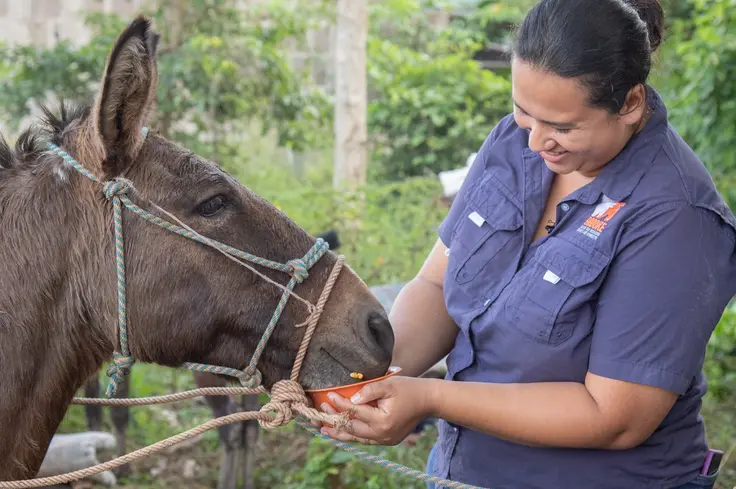
That’s why we are urging leaders at the UN next week to recognise the importance and urgency of ensuring the health and welfare of the animals so many of us rely upon every day.
The declaration that results from the High-Level Meeting on Pandemic Prevention, Preparedness and Response should include a firm commitment to invest in animal health systems and protect all of us from another pandemic.
Note: With thanks to the Action for Animal Health coalition for their commitment to advocating for investment in animal health systems.
Discover more about Brooke's work
Learn more about animal health, animal welfare and our policy and advocacy work around the world.