19 November 2026
When medicines stop working, animals and people pay the price
Imagine you or your child is struck with an infection, only to find the medicine you need no longer works.
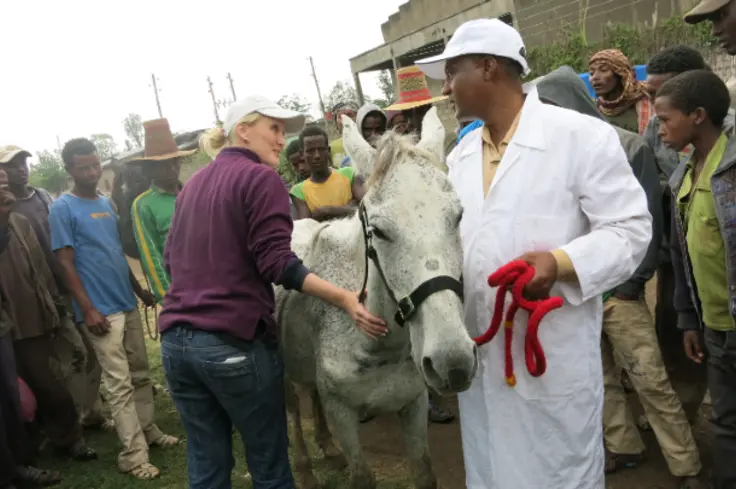
This is the threat of drug resistance. It happens when medicines used to treat infections become less effective. It can affect animals as well as people, which is why protecting the health of working animals is also essential to protecting human health.
Prevention is better than cure
One of the best ways to tackle drug resistance is to prevent illness in the first place.
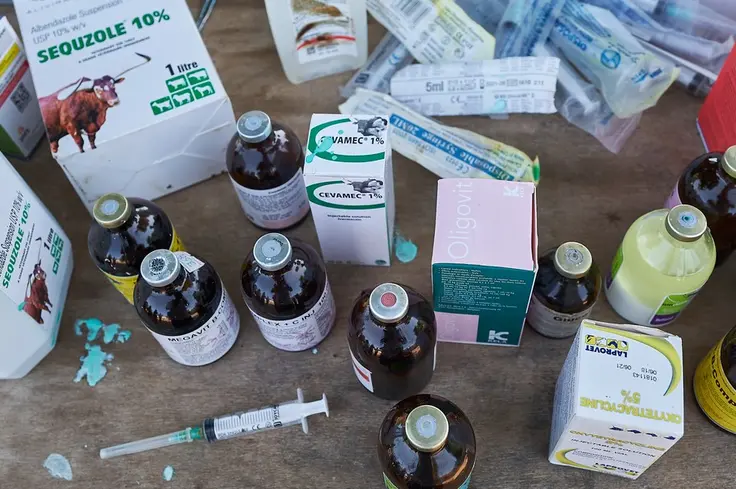
Healthy, well-cared-for animals are less likely to suffer from disease, injury and infection. Good animal care, clean water and sanitation can therefore help reduce the need for medicines and, when treatment is needed, it is important that animals receive the right medicine for their condition.
But in some environments, vets and animal owners simply cannot access the medicines they need. Faced with a sick or injured animal, they may have little choice but to use whatever treatment is available, even if it is not the most appropriate one. This repeated or unnecessary use of medicines can contribute to drug resistance.
A silent pandemic
When drugs become less effective or do not work at all, both people and animals suffer and may even die. This is a huge global challenge, resulting in many leaders referring to drug resistance as a “silent pandemic”.
Making a difference in Ethiopia
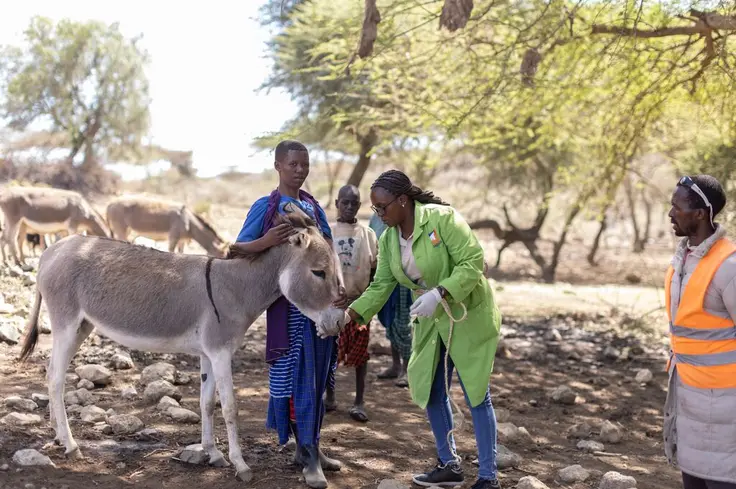
Brooke is working with animal health professionals and owners to help prevent this threat and improve the health and wellbeing of millions of working horses, donkeys and mules. Last year, we trained and mentored more than 1,416 animal health practitioners and people who supply animal medicines, helping them to diagnose problems and provide appropriate treatment and advice.
We have also worked with the World Veterinary Association to develop a global list of essential medicines and vaccines that animals need.
In Ethiopia, a lack of essential veterinary medicines meant animal health professionals were sometimes turning to antibiotics because other treatments, including pain relief and anti-inflammatories, were not available.
Brooke Ethiopia, the Ethiopian Veterinary Association and the Ethiopian government worked together to develop the country’s first national Essential Veterinary Medicines List, published in May 2024.
Animal health professionals can now use an online system to access medicines from the list, and 15 new veterinary medicines have been registered in the country. That means more animals can receive the treatment that is right for them.
Similar work is now underway in Kenya, Tanzania, Malawi and Zambia.
What can we all do?
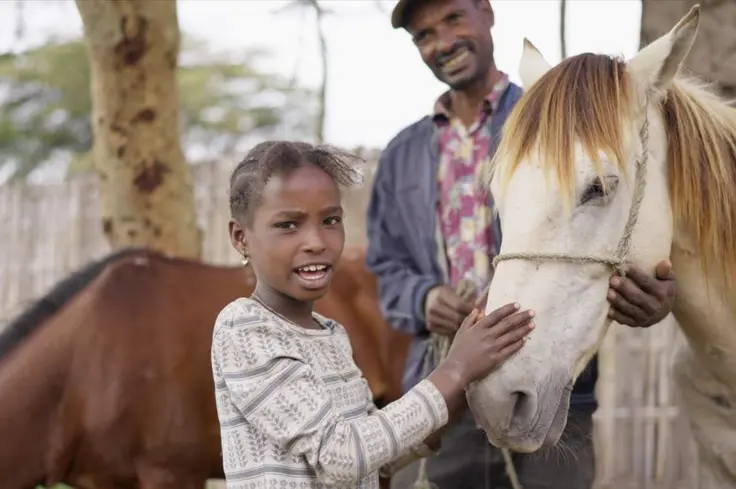
As we mark World Antimicrobial Resistance Awareness Week, we all have a part to play in tackling drug resistance. Only use medicines prescribed for you or your animals, follow the correct dose and course, and safely dispose of anything left over.
By preventing illness and making sure people and animals get the right medicines when they need them, we can help protect their effectiveness for the future.