
End the slaughter of donkeys
Thanks to Brooke, the African Union has opted to ban the donkey skin trade to save the donkey population in Africa. The bans on the slaughter and export of donkeys we‘ve helped secure will protect more than 32 million donkeys.
Our impact
Brooke’s work directly helps 1.4 million working horses, donkeys and mules a year. Our vets and animal welfare experts mend and protects their broken bodies.
Millions more animals feel the benefit of Brooke too. We train thousands of animal owners and animal health workers around the world. On a bigger scale, we've fought for new policies to protect millions more working animals - find out more.
Success Stories
Some of the ways we've worked with communities worldwide to create sustainable change in equine welfare.
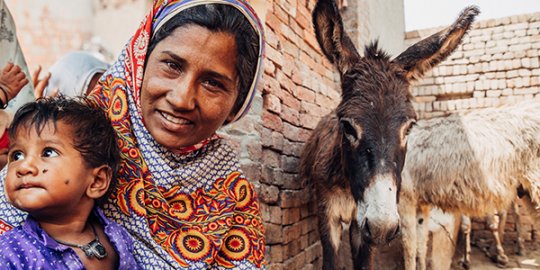
Working in a brick kiln is hard for mother-of-five Rafia Arshad, but having Brooke-trained paravets and community advisers on her side makes it that bit easier.
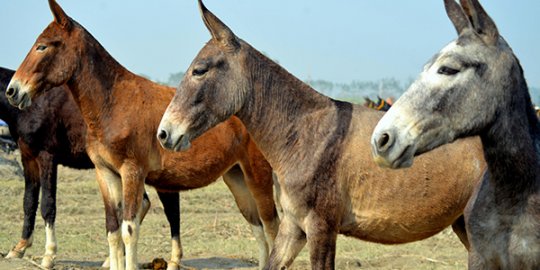
The reopening of India's equine fairs after pandemic restrictions has brought some unique healthcare challenges, but thankfully Dy Vijay is well equipped to help.
Quiz Time
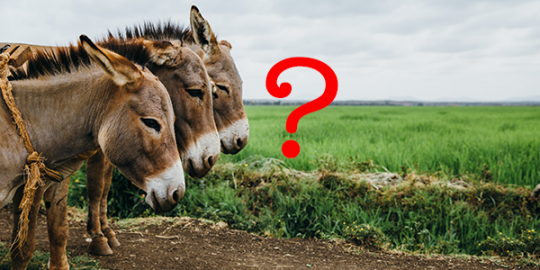
How much do you know about equine anatomy, the role of horses in WW1, or the unexpected ways horses show their feelings? We have a page of quizzes waiting for you if you want to find out more!

Our Free Will Service allows you to write a simple Will at no cost to you, so you can leave a gift to Brooke and help vulnerable working animals for generations to come.

Together we do more for working animals. We give communities the ways and means to transform the lives of working animals. Help us do more to bring lasting change.